Gym Hygiene and Member Retention: Why It Matters
Gym hygiene and member retention are directly linked, because cleanliness is one of the top reasons members stay or cancel. Dirty equipment, smelly change rooms, and grimy floors rank among the most common complaints in gym reviews, while a consistently clean facility builds the trust that drives renewals. Beyond loyalty, proper cleaning also reduces the spread of skin infections and bacteria on shared equipment.
Key Takeaways
- Cleanliness is one of the strongest predictors of gym member retention, with hygiene complaints a leading cause of cancellations.
- Dirty equipment, change rooms, and floors are among the most frequent issues cited in negative gym reviews.
- Shared gym equipment can spread skin infections and bacteria when it is not disinfected regularly and correctly.
- Deep cleaning reaches the grime in equipment seams, mats, and grout that daily wiping cannot, protecting both hygiene and lifespan.
- A consistent, documented cleaning standard protects member health, reviews, and long-term revenue.
About EverydayClean
EverydayClean provides professional commercial and specialist cleaning services across Sydney. The team focuses on office, gym, medical, childcare, NDIS, Airbnb, construction, strata, warehouse, and hospital cleaning, supported by scheduled workplace cleaning, surface disinfection, floor care, restroom and kitchen cleaning, waste management, and site-specific cleaning checklists.
Gyms that want hygiene standards maintained consistently enough to protect retention can arrange a professional gym cleaning service scheduled around their member traffic.
How Gym Cleanliness Drives Member Retention
Cleanliness is not a background detail for members; it is one of the first things they judge and one of the last reasons they stay. A hygienic gym signals that the business respects their health and experience.
Members form an impression of a gym within seconds of walking in, and sticky equipment or a stale change room undermines it immediately. When hygiene slips, cancellations follow, because members have many alternatives and little tolerance for a facility that feels unclean. Retaining an existing member costs far less than acquiring a new one, so consistent cleaning protects revenue directly. A clean gym is easier to sell, easier to keep members in, and easier to grow through referrals.
Why Dirty Equipment Damages Reviews
Online reviews shape how prospective members choose a gym, and hygiene complaints are among the most damaging. A single vivid review about grime or smell can outweigh many positive ones.
- Sticky, sweat-covered equipment is one of the most frequently mentioned issues in negative gym reviews.
- Smelly change rooms and showers leave a lasting impression that deters both members and prospects.
- Grimy mats and floors signal neglect and raise doubts about hygiene across the whole facility.
Reviews mentioning cleanliness carry weight because they describe something every visitor experiences. Ignoring hygiene complaints in
reviews tends to compound them, as unhappy members feel unheard and prospective members are warned off before they ever visit.
How Poor Hygiene Spreads Infection
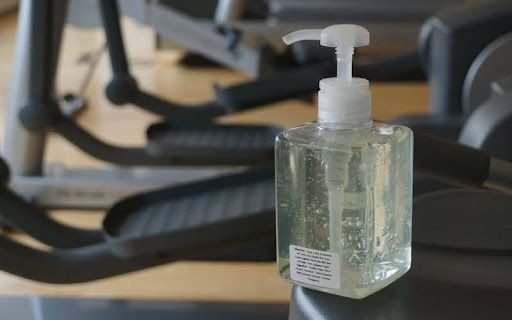
Gym hygiene is a genuine health issue, not only a comfort one, because shared equipment and warm, damp environments suit bacteria and fungi. Correct disinfection is what breaks the chain of transmission.
- Shared equipment such as handles, benches, and mats can transfer skin bacteria and fungi between users.
- Change rooms and showers create warm, moist conditions where germs thrive without regular sanitisation.
- High-touch points like door handles and water stations concentrate contact from every member.
Sweat left on padding and handles is both an odour source and a bacterial one, which is why wiping and disinfecting matter equally. A gym that disinfects high-touch surfaces properly reduces the risk of the skin infections that spread easily in shared fitness spaces.
Why Regular Deep Cleaning Matters
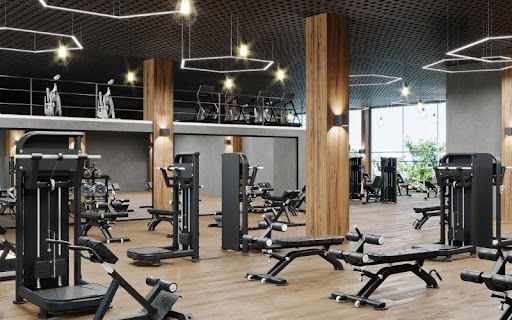
Daily wiping keeps a gym presentable, but only deep cleaning reaches the grime that accumulates out of sight. Skipping it lets problems build until they become expensive and hard to reverse.
- Equipment seams and padding stitching trap sweat and skin cells that daily wipes never reach.
- Rubber mats and flooring hold ground-in grime and odour that needs periodic deep treatment.
- Grout, showers, and change room corners accumulate mould and bacteria without scheduled attention.
Deep cleaning also protects equipment lifespan, since grime and the wrong cleaning products degrade padding and flooring over time. A gym that defers deep cleaning usually pays more later, both in replacement costs and in the member trust lost while conditions decline.
What a Consistent Cleaning Standard Delivers
The value of gym hygiene comes from consistency, not occasional effort. A documented standard applied every day is what members actually experience and what protects the business.
A reliable cleaning routine combines daily disinfection of high-touch equipment and change rooms, weekly deep cleans of mats, seams, and floors, and periodic treatment of grout and showers. Following a fixed checklist means standards do not slip when staff are busy, and it gives owners a record that hygiene targets are being met. For gyms, that consistency is what turns cleanliness from a recurring complaint into a genuine competitive strength.
FAQs on Gym Hygiene and Retention
These questions reflect what gym owners and managers most often ask about the link between cleanliness and member loyalty. The answers focus on retention, health, and cleaning standards.
Does gym cleanliness really affect member retention?
Gym cleanliness has a strong effect on member retention, because hygiene is one of the first things members judge and a frequent reason they cancel. Dirty equipment, smelly change rooms, and grimy floors are among the most common complaints in gym reviews and exit surveys. Since retaining a member costs far less than acquiring a new one, consistent cleaning protects revenue directly. Members who feel a gym respects their health through visible hygiene are more likely to renew and to recommend the facility. Cleanliness alone will not retain members if other factors fail, but poor hygiene reliably drives them away, which makes it one of the highest-return areas to get right.
What are the most common gym hygiene complaints?
The most common gym hygiene complaints centre on sweat-covered equipment, smelly change rooms and showers, and grimy mats and floors. Members also frequently mention empty sanitiser stations, dirty water fountains, and high-touch surfaces like handles and lockers that feel unclean. These complaints appear often in negative online reviews because every visitor experiences them directly. What makes them damaging is that they signal neglect across the whole facility, not just one area. Addressing them requires a consistent cleaning schedule rather than occasional deep cleans, since members judge hygiene on what they encounter each visit. Keeping sanitiser stocked and high-touch points disinfected addresses the issues members notice most.
Can dirty gym equipment make you sick?
Dirty gym equipment can contribute to illness, because shared surfaces transfer skin bacteria and fungi between users when they are not disinfected. Warm, damp environments like change rooms and showers further encourage germs to spread. Common risks include skin infections passed through contact with benches, mats, and handles that hold sweat and bacteria. Regular disinfection of high-touch equipment and proper change room sanitisation significantly reduce these risks. Members can protect themselves by wiping equipment before and after use, but the primary responsibility sits with the facility to maintain a cleaning standard that keeps shared surfaces hygienic. Correct products and adequate contact time are what make disinfection genuinely effective.
How often should a gym deep clean?
A gym should deep clean weekly at minimum, on top of daily disinfection, with heavier periodic cleans scheduled monthly or quarterly depending on traffic. Weekly deep cleaning addresses equipment seams, padding stitching, mats, mirrors, and floors that daily wiping cannot fully reach. Periodic deep cleans handle grout, showers, change room corners, and intensive floor treatment. High-traffic facilities need more frequent deep cleaning than small studios. Deferring deep cleaning lets grime and bacteria accumulate in places members eventually notice, and it also shortens equipment life. Building deep cleans into a fixed schedule, timed for quieter hours, keeps hygiene consistent without disrupting members during peak periods.
Gym Hygiene Is a Retention Strategy, Not Just a Chore
Treating gym hygiene as a retention strategy reframes cleaning from a cost into an investment. Members judge a gym on what they touch, smell, and see every visit, so consistent cleanliness directly shapes reviews, renewals, and referrals. The gyms that protect hygiene most reliably are the ones that turn it from a recurring complaint into a reason members stay.
The link runs deeper than perception, because proper disinfection also protects member health and equipment lifespan. A documented cleaning standard, applied daily and backed by regular deep cleaning, is what delivers all of this at once, which is why hygiene belongs in the conversation about growth and retention rather than being left to chance.
Want hygiene standards that keep members renewing?
Request a Gym Cleaning Quote and EverydayClean will maintain a cleaning standard built around your facility.
Blog