Benefits of Regular Office Cleaning: Clean, Organised Spaces
Regular office cleaning in Sydney directly supports employee health, reduces asset wear, and strengthens the professional image your business projects to every visitor. Scheduled cleaning prevents the gradual buildup of dust, bacteria, and clutter that disrupts productivity and shortens the lifespan of workplace equipment. For Sydney businesses managing staff return-to-office schedules, compliance expectations, and client-facing environments, consistent office cleaning Sydney is an operational standard - not a discretionary spend.
What Are the Core Benefits of Regular Office Cleaning?
The advantages of a scheduled office cleaning program extend well beyond visual tidiness. Each area of impact - from staff health to brand presentation - compounds over time, making regular cleaning one of the highest-return maintenance decisions a Sydney business can make.
Does Regular Cleaning Improve Employee Health and Reduce Sick Days?
Yes - and the data is consistent across industries. Shared office surfaces including keyboards, desk phones, door handles, and kitchen benches are among the highest-density contact points for bacteria and viral transmission in any workplace. Without routine disinfection, these surfaces become vectors for illness that spread through teams rapidly.
Scheduled professional cleaning, particularly of shared amenity zones and high-touch surfaces, directly lowers pathogen load across the workspace. Sydney businesses that implement structured cleaning programs consistently report fewer staff absences during peak illness seasons. For more on how regular maintenance connects to workforce productivity, see the link between reducing sick days through cleaning and the broader impact on business continuity.
A clean office is not just more pleasant to work in - it is measurably safer. Reduced surface contamination means fewer transmission events and fewer unplanned staff absences.
How Does a Clean Office Support Focus and Productivity?
Clutter and visual disorder increase cognitive load. When workspaces accumulate mess - overflowing bins, dusty surfaces, disorganised communal areas - staff spend mental energy processing the disorder rather than focusing on work tasks. Regular cleaning removes this friction.
Clean desks, orderly break rooms, and freshly maintained floors create an environment where employees can orient quickly, locate what they need, and move through the day without unnecessary interruption. This is particularly relevant in open-plan Sydney offices where shared spaces affect the entire floor simultaneously. A tidy common area raises the baseline standard for the whole team, not just the individuals who maintain their personal desks well.
What Impact Does Regular Cleaning Have on Professional Image?
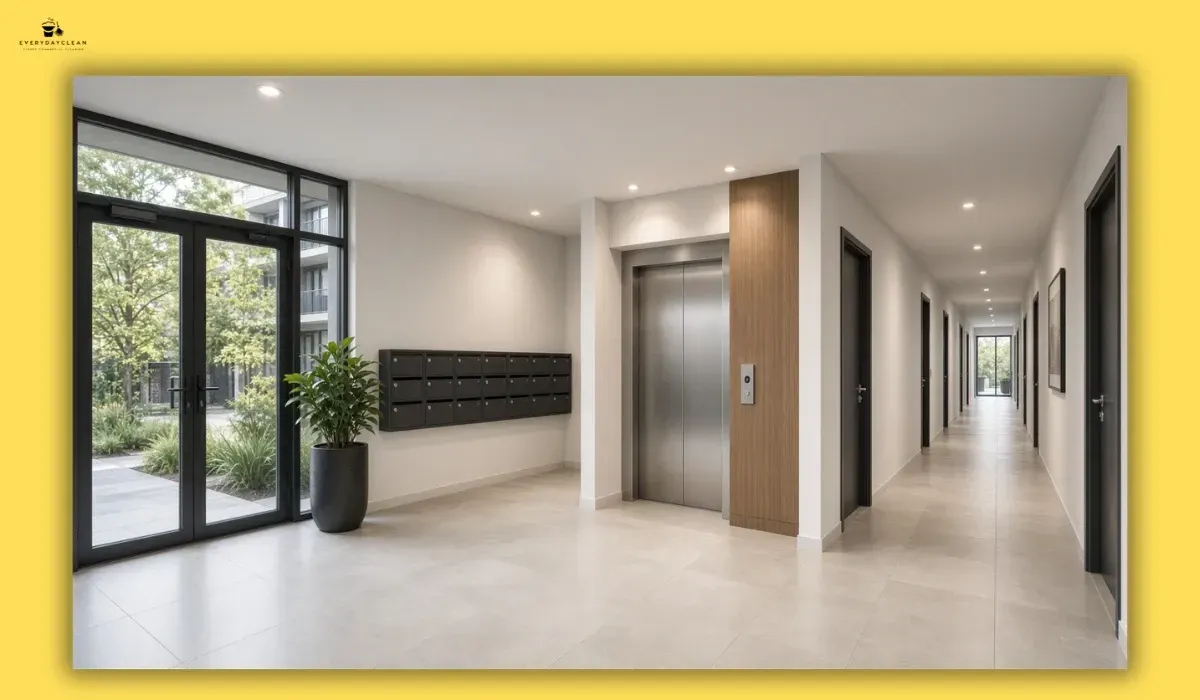
First impressions in a business context are formed within seconds. Clients, prospects, and visitors entering your premises immediately register the state of the environment - clean glass, maintained floors, fresh-smelling air, and dust-free surfaces all signal operational discipline and attention to detail.
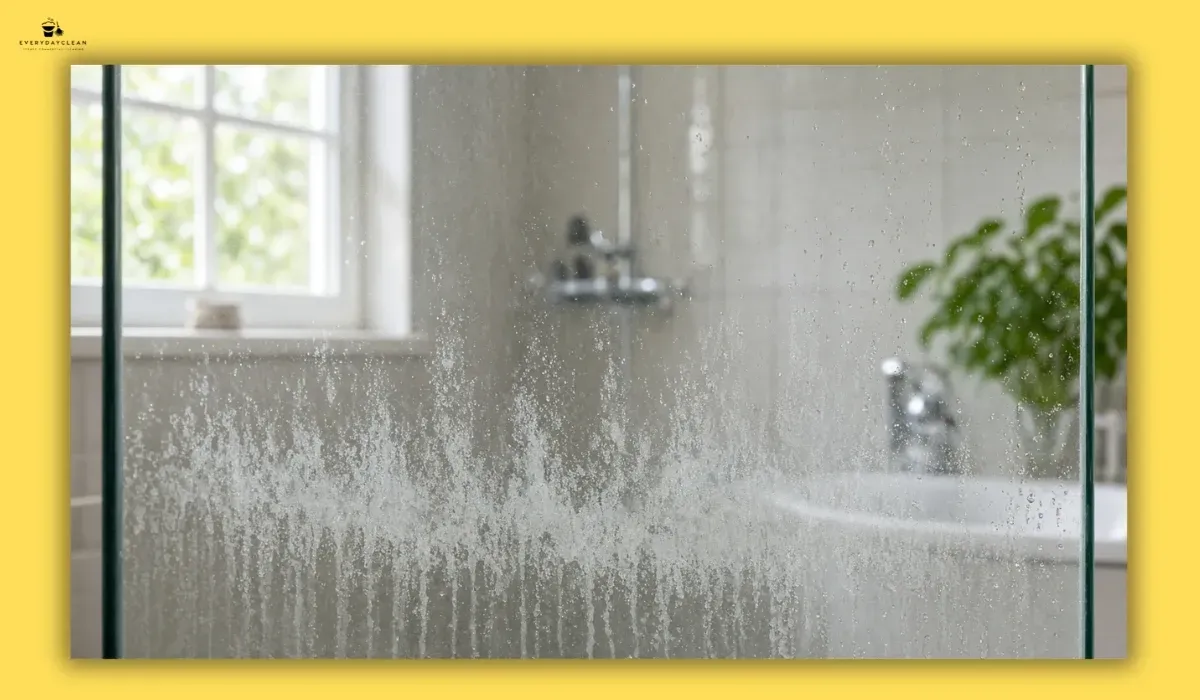
Inconsistent or infrequent cleaning produces the opposite effect: streaked windows, stained carpets, and dirty reception areas communicate neglect regardless of how strong your product or service offering is. For Sydney businesses in competitive sectors - legal, financial, medical, consulting - a clean environment reinforces the trust signals that close engagements and retain clients.
Understanding the office cleaning importance for Sydney businesses puts this in a broader commercial context: your physical workspace is a direct extension of your brand.
How Does Regular Cleaning Protect Office Assets?
Does Scheduled Cleaning Extend the Life of Flooring and Furniture?
Significantly. Hard floors - particularly polished concrete, vinyl, and timber - accumulate grit and particulate matter that acts as an abrasive underfoot with every step. Without regular mopping and sweeping, this abrasion gradually degrades the surface finish, leading to costly resurfacing or replacement well ahead of schedule.
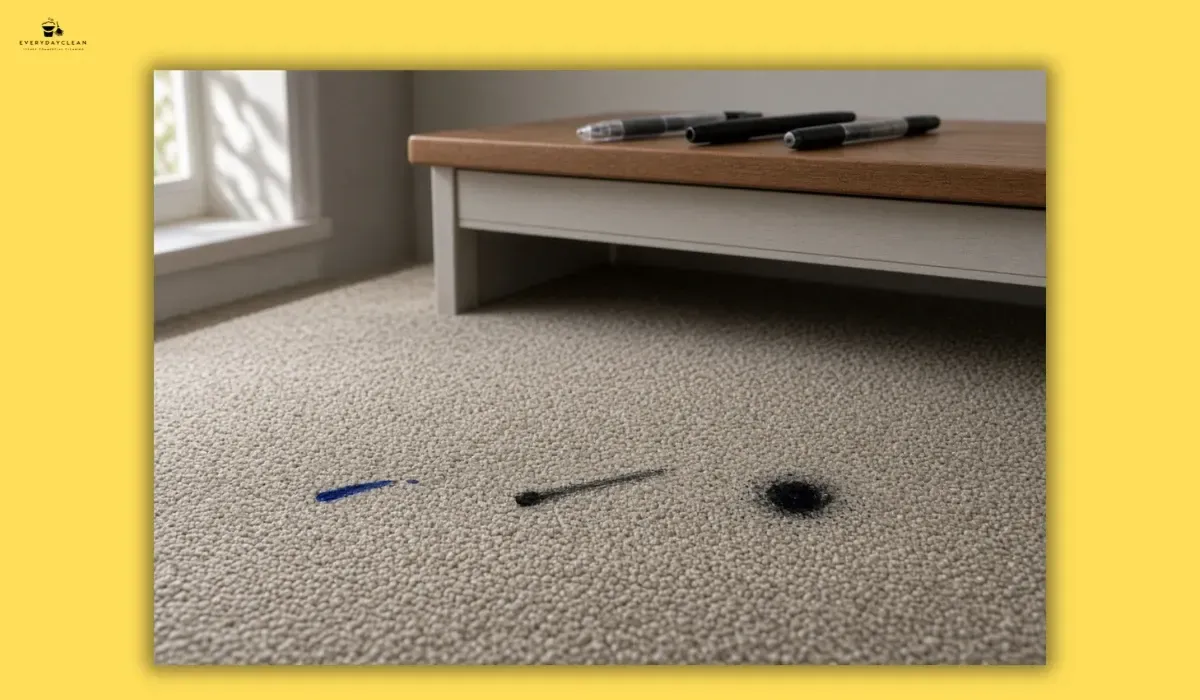
Carpets face the same risk. Embedded dirt fibres cut into carpet pile with foot traffic, accelerating wear at high-traffic points like walkways, meeting room entries, and reception areas. Professional vacuuming and periodic extraction cleaning remove this embedded matter before permanent damage occurs.
Upholstered furniture - task chairs, lounge seating, and meeting room chairs - holds dust, skin cells, and spill residue that deteriorates fabric integrity over time. Regular cleaning maintains these assets in serviceable condition for significantly longer.
Does Dust Buildup Damage Office Equipment?
Yes. Electronics - computers, printers, monitors, projectors, and HVAC systems - are particularly vulnerable to dust accumulation. Dust restricts airflow through cooling vents, causes components to overheat, and accelerates hardware failure. HVAC filters clogged with particulate matter reduce air quality across the entire floor and consume more energy to maintain the same output.
Regular dusting of equipment surfaces, combined with professional attention to ceiling vents and air return points, reduces these risks materially. The cost of consistent cleaning is a fraction of the cost of early equipment replacement or HVAC servicing caused by neglect.
What Are the Long-Term Cost Benefits of Regular Office Cleaning?
Is Regular Cleaning More Cost-Effective Than Periodic Deep Cleans?
Yes - by a substantial margin. Offices that skip regular maintenance and rely instead on periodic deep cleans pay a compounding premium. Surface stains set into grout, carpet fibres, and upholstery over time, requiring more aggressive - and more expensive - treatment to resolve. Emergency or reactive cleans also attract higher rates than scheduled contracts.
Consistent, lower-intensity cleaning prevents the conditions that make deep cleans necessary. Surfaces maintained weekly never reach the degradation level that requires heavy intervention. For Sydney businesses assessing their cleaning budget, see a full breakdown of office cleaning cost Sydney to compare ongoing maintenance rates against one-off service costs.
How Does a Cleaning Schedule Reduce Unplanned Maintenance Spend?
A structured
office cleaning schedule creates predictable, manageable costs and surfaces maintenance issues before they escalate. Cleaners who visit regularly notice early signs of damage - leaking fixtures, mould developing in bathroom grout, carpet lifting at joins, or pest activity - before these become expensive problems. This early-detection function is a secondary benefit that facility managers in Sydney frequently underestimate until a reactive repair cost lands unexpectedly.

What Areas Should Regular Office Cleaning Prioritise?
Not all areas require the same frequency or level of attention. Directing cleaning effort toward high-impact zones delivers the best return on investment for both hygiene and presentation.
The following areas warrant daily or near-daily attention in most Sydney offices:
- Reception and entry areas - First point of contact for all visitors; floors, glass, and surfaces must reflect the standard your brand projects.
- Shared kitchens and break rooms - Food preparation and consumption areas accumulate bacteria rapidly; bench tops, sinks, and appliances require daily sanitisation.
- Restrooms - High-touch, high-contamination zones; daily cleaning and consumable restocking are non-negotiable.
- High-touch surfaces - Door handles, lift buttons, light switches, and shared equipment surfaces require disinfection at every visit.
- Meeting rooms - Used by different groups throughout the day; chairs, tables, screens, and remote controls should be wiped between bookings where possible.
Lower-traffic zones - private offices, archive rooms, and storage areas - can typically be serviced on a weekly or fortnightly basis without compromising overall hygiene standards.
How Should Sydney Offices Structure a Cleaning Schedule?
What Cleaning Frequency Is Right for a Sydney Office?
Frequency depends on three primary variables: staff headcount, daily foot traffic, and the nature of business activity. A 10-person professional services firm working standard hours has different needs to a 100-person call centre operating across two shifts.
As a baseline guide:
- Daily cleaning suits offices with 20 or more staff, high client foot traffic, food preparation areas, or any medical or childcare component.
- 3x per week suits smaller offices with moderate usage and no client-facing reception function.
- Weekly cleaning suits very small teams, part-time offices, or workspaces used fewer than four days per week.
Monthly deep cleans - covering carpet extraction, window washing, and detailed restroom tile cleaning - are recommended across all office sizes regardless of the standard service frequency.
How Can Staff Habits Support Professional Cleaning Outcomes?
Professional cleaning achieves its full effect when supported by baseline staff habits between visits. Encouraging teams to clear their desks at the end of each day, dispose of food waste promptly, and use provided surface wipes for personal workstations significantly extends the cleanliness standard between professional visits.
This is not about shifting responsibility onto staff - it is about creating a shared standard that ensures the professional cleaning maintains its impact for longer. Providing desk wipes, bin liners at every workstation, and clearly labelled recycling points makes compliance easy without creating additional workload.
FAQs: Benefits of Regular Office Cleaning in Sydney
Below are the questions Sydney business owners and facility managers ask most often when reviewing their office cleaning approach.
What are the most important benefits of regular office cleaning?
The primary benefits are reduced employee illness rates, longer asset lifespan, stronger professional presentation, and lower long-term maintenance costs. Regular cleaning removes pathogens from shared surfaces, prevents premature wear on flooring and furniture, and maintains the visual standards that support client confidence. For Sydney businesses operating in competitive commercial environments, a clean office is a measurable business asset - not just a hygiene baseline.
How does regular office cleaning reduce sick days?
Scheduled cleaning, particularly of high-touch surfaces and shared amenity areas, removes the bacterial and viral load that drives illness transmission in office environments. When door handles, kitchen benches, and shared equipment are disinfected consistently, the transmission risk between staff drops significantly. Over a full year, Sydney businesses with professional cleaning contracts typically report fewer clustered illness absences compared to those relying on staff-managed cleaning alone.
Can regular cleaning really affect employee productivity?
Yes. Research consistently links cluttered, visually disordered environments to reduced concentration and higher stress levels among workers. A clean, organised office removes this environmental friction, allowing staff to focus on their work rather than managing or navigating disorder. Practical outcomes include faster retrieval of materials, fewer interruptions, and a general uplift in the perceived quality of the work environment, which contributes to both daily output and longer-term staff retention.
How often should high-touch surfaces be cleaned in a Sydney office?
In a standard Sydney office, high-touch surfaces including door handles, lift buttons, light switches, printer controls, and shared kitchen equipment should be disinfected at a minimum once daily. In offices with high staff density, multiple shifts, or any health-sensitive function, twice-daily disinfection of these points is recommended. During flu season or following any confirmed illness in the workplace, frequency should increase immediately.
Is it worth hiring a professional cleaning company rather than using internal staff?
For most Sydney businesses, yes. Professional cleaners use commercial-grade equipment, industry-standard disinfectants, and structured checklists that consistently cover the full scope of the workspace. Internal staff cleaning arrangements tend to be inconsistent in coverage, create role ambiguity, and do not include the accountability structures - checklists, supervisory sign-off, and service reporting - that professional contracts provide. The cost difference is typically marginal when measured against the quality and reliability gap.
Everyday Clean is Sydney's trusted commercial cleaning provider with over 20 years of experience across offices, strata, gyms, childcare centres, and medical facilities. All staff are police-checked and trained in commercial hygiene protocols. Contact the team for a transparent, itemised quote tailored to your Sydney office.
Blog